By Nargess K.
Who is responsible for fostering cultural growth?
Museums are Western constructs. The establishment of the first museums in Iran was similarly a pro-Western activity that was part of the Pahlavi reign socio-political reform in the 1920s. As a Result of the state’s engagement the number of Iranian museums noticeably increased over the upcoming decades. The most popular ones were founded in Tehran dedicated to diverse themes, growing collections and programs specialising in textiles, carpets, handicrafts, jewelry, interior design, regional ethnography, fine arts, applied arts, and much more. Iranian museums acted as an interplay for policymakers, researchers, pedagogues, cultural enthusiasts, and creative actors forging the official agendas to preserve material culture, customs, and non-material heritages of a country with a multi-ethnic population spread around Iran.
After the Islamic Revolution in 1979, the fate of Iranian museums, like many other cultural institutions, changed dramatically. Institutionalizing of museums, mass lay-offs, budget cuts, restricting access for experts and the public, and their temporal or permanent closure reflected a perspective shift of policymakers about museums’ significance and necessity. While Iran has struggled with international political and economic sanctions for decades, developing museums for their cultural and educational importance seems to have no official priority. With the global museum standards, the Iranian museums today demonstrate a severe underdevelopment.
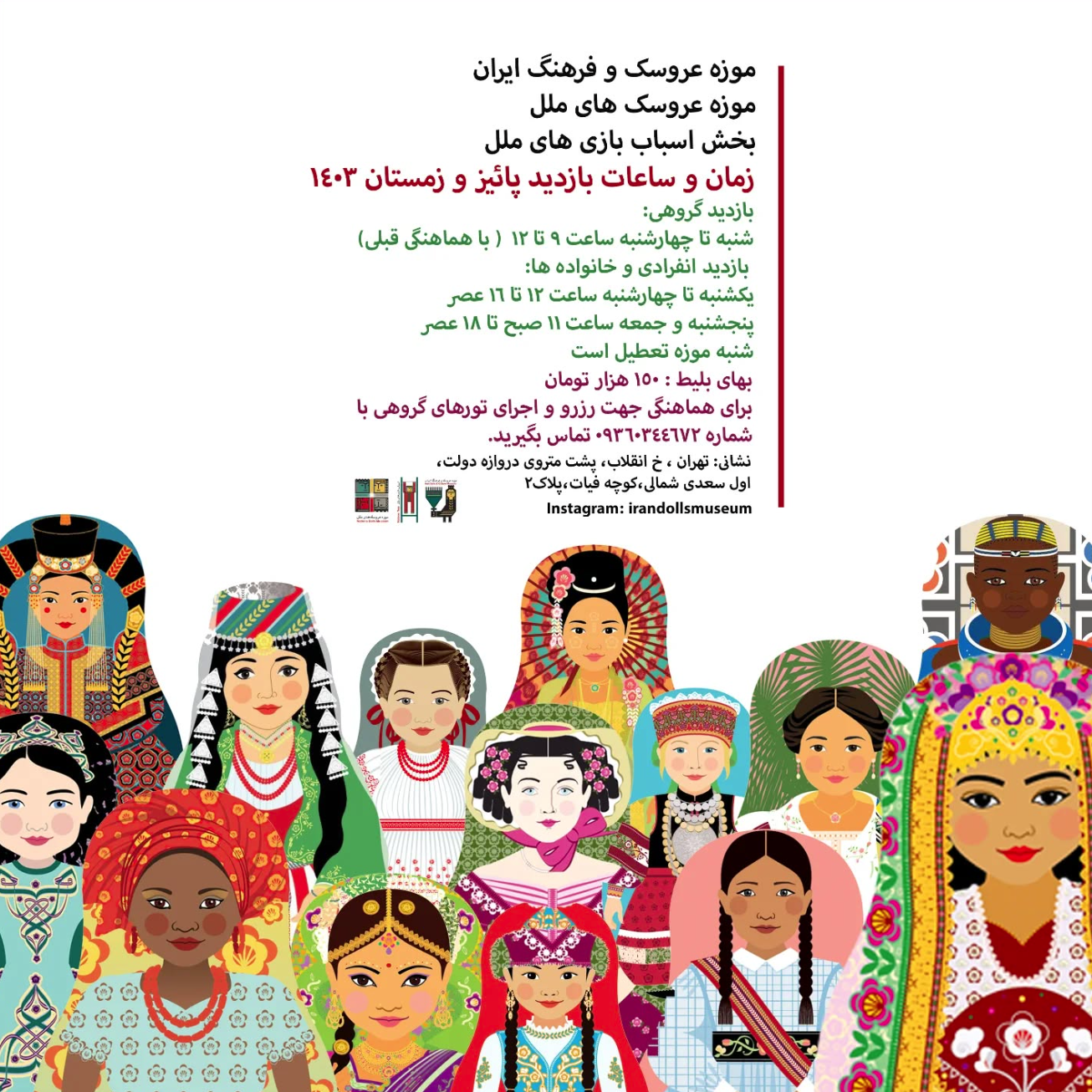
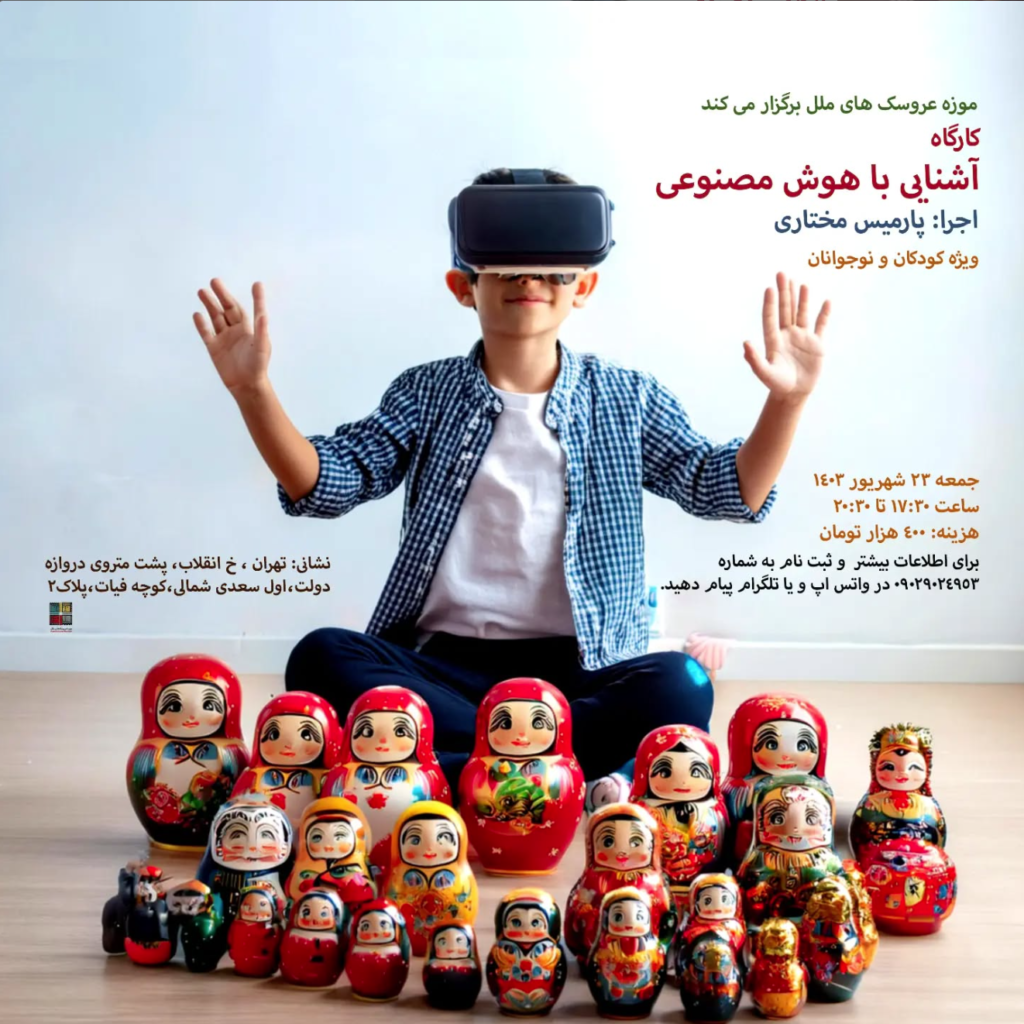
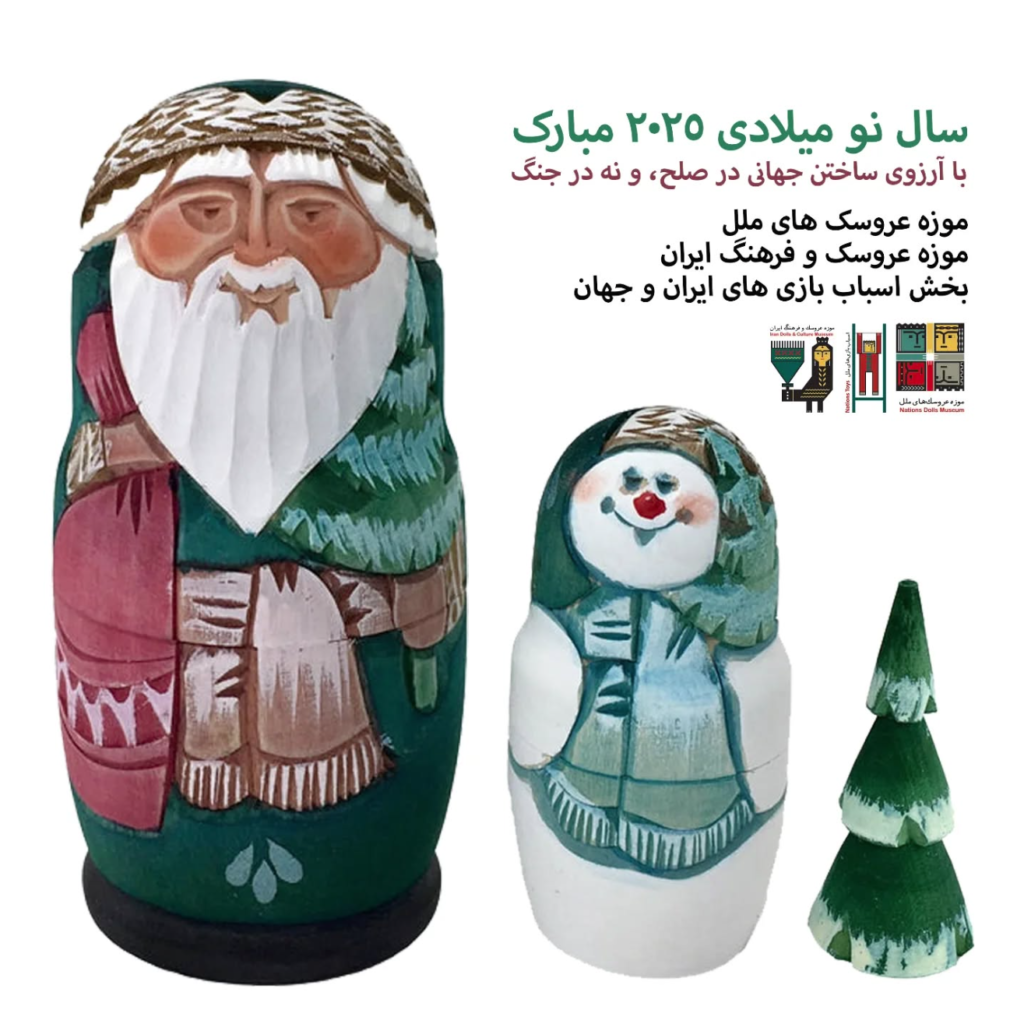
However, private collectors’ independent efforts and cultural enthusiasts’ activism have been shaping a few new museums that employ new technologies, perspectives, and resources to grow and serve public audiences. A good example is the Iran Dolls Museum, Initiated by Ali Golshan, which welcomes visitors of all ages in Tehran’s 6th district. By introducing children to toys and their stories, the museum offers insights into histories that transcend the boundaries of ethnicity, race, and nationality—perspectives often overlooked in formal education or family settings. Besides preserving and showcasing children’s objects and toys, the museum organizes regular screenings, plays, book presentations, workshops, and storytelling events aimed at children and teens, as well as their guardians, educators, artists, and writers. Doll Museum uses Instagram as its main communication and promotion channel, the most accessible and favorite platform among Iranian internet users. Meanwhile, The Doll Museums enjoys good publicity for being a hotspot for creative projects and exchanges relevant to children’s cultural education and activities beyond the official narratives.
Seeing passionate individuals and creative projects educate children about diversity, solidarity, and cultural heritage warms my heart as an adult. Cultural activism does not focus on financial gain. Still, it remains one of the most valuable investments we can make in children growing up during social and political upheaval times.
