By Nargess K.
March 8 commemorates women’s suffrage and their worldwide struggle for legal and educational rights. The history of Iranian women’s emancipatory efforts dates back to 1905 when they contributed to elite reform movements known as the Constitutional Revolution. While asserting their rights in political circles, they also took the initiative in women’s education, publishing periodicals and introducing modern elements into children’s schooling. Such educational leadership has guided women’s movements during a century of social upheavals in MENA countries.
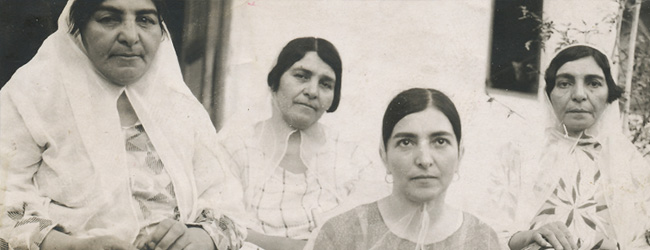
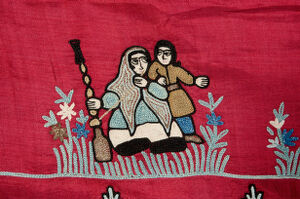
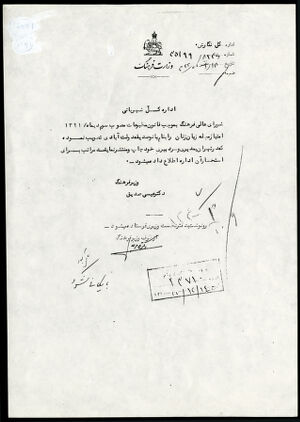
Today, technological advancements further empower women’s academic contributions, enhancing their visibility and public accessibility. A prime example is Harvard University’s project ‘Women’s Worlds in the Qajar Era,’ conducted by historian and gender theorist Afsaneh Najmabadi and her team. This bilingual platform offers a vast database of texts, documents, rare images, and audio materials documenting women’s life histories in Iran from 1794 to 1915.
The significance of this work extends beyond the study of history and material culture in Iran. It forms a crucial piece of a broader educational legacy—one that transcends race, religion, and geography, just as it did from the beginning.
